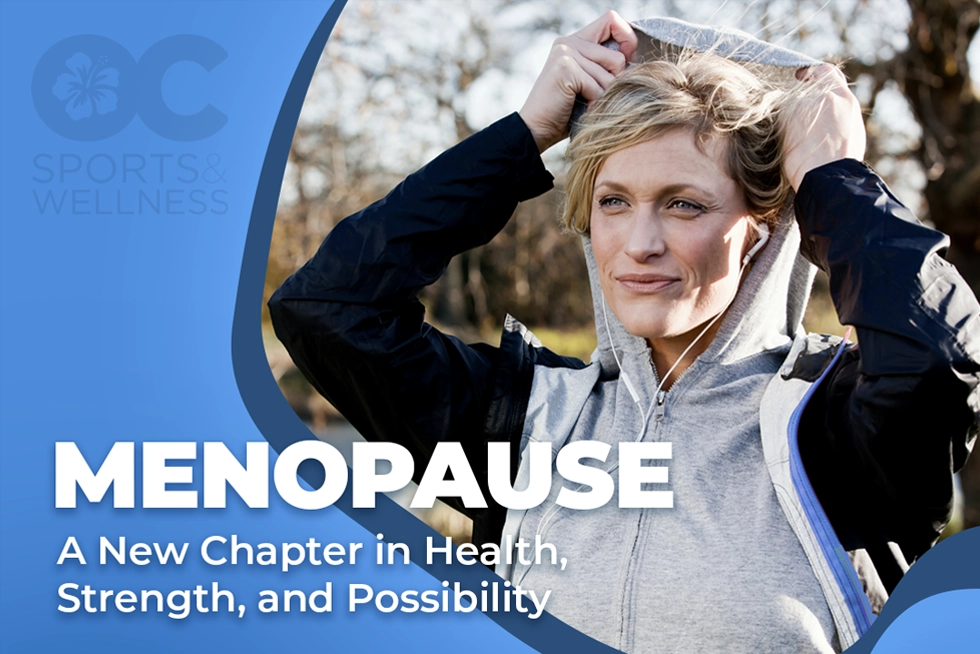
Menopause: A New Chapter in Health, Strength, and Possibility
Menopause is a normal life transition—yet for many women, it can feel confusing, isolating, and unnecessarily challenging. The truth is: your symptoms are real, your experience matters, and you deserve clear answers and practical options. With the proper support, menopause can become a powerful turning point—one where you protect your long-term health, restore your energy, and step into the next season of life with confidence.
At OC Sports and Wellness in Orange County, we’re here to help women navigate menopause with compassion, evidence-informed care, and a whole-person approach—so you can feel strong, steady, and fulfilled.
What Menopause Is (and What It Isn’t)
Menopause marks the end of menstrual cycles and fertility. Clinically, it’s defined as 12 consecutive months without a period, with no other medical cause. The years leading up to that milestone are called perimenopause, when hormones begin to fluctuate, and symptoms often appear—the years after are referred to as postmenopause.
One of the most important takeaways: menopause is not “just aging,” and it’s not “all in your head.” Many symptoms are driven by fundamental physiologic changes—especially shifts in estrogen and other hormones—and there are effective strategies to help you feel better.
Why Menopause Can Feel So Disruptive
Estrogen influences far more than reproduction. It affects temperature regulation, sleep, mood, joints, skin, the urinary and vaginal tissues, bones, and cardiovascular function. During perimenopause, estrogen may swing unpredictably—sometimes higher, sometimes lower—before eventually declining. These fluctuations (plus life stressors that often peak in midlife) can make symptoms feel intense and unpredictable.
For active women, menopause can be especially frustrating: the same workouts may suddenly feel harder, recovery may take longer, sleep can become fragile, and body composition can shift even when your routine hasn’t changed. None of that means you’re “failing.” It means your physiology is changing—and your plan needs to change with it.
Common Menopause Symptoms
Symptoms vary widely. Some women have mild changes; others experience symptoms that significantly affect daily life. Common symptoms include:
- Hot flashes and night sweats (vasomotor symptoms)
- Sleep disruption (difficulty falling asleep, waking at night, early waking)
- Mood changes (irritability, anxiety, low mood)
- Brain fog (forgetfulness, difficulty concentrating, mental fatigue)
- Fatigue and lower stress tolerance
- Changes in libido and sexual comfort
- Vaginal dryness, burning, or pain with intimacy
- Urinary changes (urgency, recurrent infections, leakage)
- Joint aches and stiffness
- Changes in body composition (more central fat, reduced muscle mass)
- Headaches or worsening migraines (in some women)
If you’re experiencing symptoms that are new, persistent, or affecting your quality of life, it’s appropriate to ask for a thorough evaluation—especially because menopause symptoms can overlap with thyroid issues, iron deficiency, sleep apnea, depression, medication effects, and other treatable conditions.
Long-Term Health: Why Menopause Care Matters Beyond Symptoms
Menopause isn’t only about whether you’re having hot flashes. The hormonal shifts of midlife can influence long-term health risks—making this an ideal time to take proactive steps.
Bone Health
Estrogen helps protect bone density. After menopause, bone loss can accelerate, increasing the risk of osteopenia, osteoporosis, and fractures. A prevention plan often includes strength training, adequate protein intake, vitamin D optimization, calcium from dietary sources, and individualized screening.
Heart and Metabolic Health
Midlife is a key window for cardiovascular prevention. Cholesterol patterns may change, blood pressure can rise, and insulin resistance can increase—especially with sleep disruption and stress. The goal is not perfection; it’s steady, personalized progress with nutrition, movement, and medical guidance when needed.
Brain, Mood, and Sleep
Poor sleep affects nearly every system in the body—mood, appetite regulation, training recovery, cognition, and inflammation. Addressing sleep is often one of the most powerful steps a woman can take in the menopause transition.
Genitourinary Health
Vaginal and urinary symptoms are common and treatable. Many women are told to “just use lubricant” and move on—but persistent dryness, discomfort, or urinary changes deserve a real plan. Targeted therapies can significantly improve comfort, confidence, and quality of life.
“Your Labs Are Normal”—Why You Still Might Not Feel Okay
Many women are dismissed because basic lab work looks “normal.” But menopause is often a clinical diagnosis based on symptoms, cycle patterns, and the whole health picture—not a single lab value. Hormones can fluctuate day to day in perimenopause, and symptoms may appear long before a final period.
A helpful evaluation looks at the bigger picture: sleep quality, stress load, nutrition, training volume and recovery, medications, thyroid function when appropriate, iron status, metabolic markers, cardiovascular risk, and individualized screening based on your history and goals.
Why So Many Women Struggle to Get Help
Despite how common menopause is, many women report delays in recognition and inadequate treatment. Educational gaps in healthcare training have been highlighted as a major contributor, along with long wait times, limited access to specialists, and inconsistent guidance.
The human side matters just as much as the medical side. What many women need to hear is simple, powerful, and healing:
- “I believe you.”
- “Your symptoms are real.”
- “Let’s work on finding solutions together.”
- “I’m here to support you.”
- “You deserve better quality care.”
Hormone Therapy: Clarity Without Fear
Hormone therapy can be life-changing for the right patient—especially for symptoms like hot flashes and night sweats, and for some women, sleep and quality-of-life improvements. But it’s also an area filled with confusion and lingering fear.
One reason is the long shadow of early-2000s messaging around hormone therapy. Subsequent discussions have emphasized that many factors influence risk and benefit, including the type of hormone used, age at initiation, and time since menopause began (often described as “timing”).
The best approach is not “hormones for everyone” or “hormones for no one.” It’s individualized medicine: your symptoms, your risk factors, your personal and family history, your goals, and your preferences—all taken seriously.
What a Thoughtful Hormone Conversation Includes
- Your most disruptive symptoms and how they affect daily life
- Personal and family history (including breast cancer, blood clots, stroke, cardiovascular disease)
- Uterus status (which influences whether progesterone is needed)
- Blood pressure, metabolic markers, and overall cardiovascular profile
- Non-hormonal options when appropriate
- Ongoing monitoring and shared decision-making over time
Non-Hormonal Support That Truly Helps
Many women benefit from a layered plan that supports the nervous system, metabolism, sleep, and recovery—whether or not hormones are involved.
Sleep: The Foundation
- Consistent sleep and wake times (even on weekends when possible)
- Morning light exposure and evening light reduction
- Temperature and breathwork strategies for night sweats
- Reducing alcohol (a common trigger for hot flashes and sleep fragmentation)
- Screening for sleep apnea when symptoms fit (snoring, unrefreshing sleep, morning headaches)
Training Smarter (Not Just Harder)
- Strength training to protect muscle and bone
- Zone 2 aerobic work for metabolic and cardiovascular health
- High-intensity sessions are used strategically (not daily) to avoid overtraining
- Recovery planning: mobility, walking, hydration, and rest days that actually restore
Nutrition for Midlife Physiology
- Prioritize protein to support muscle and satiety
- Fiber-rich plants for gut and metabolic health
- Stable blood sugar habits (balanced meals, mindful snacking)
- Anti-inflammatory fats and adequate hydration
Stress Resilience
Menopause can lower stress tolerance for many women. A helpful plan includes realistic, repeatable practices—short walks, strength training, time outdoors, mindfulness, therapy/coaching support, and learning to protect your “recovery budget” the same way you protect your time.
When to Seek Help Promptly
Menopause symptoms can overlap with other conditions. Reach out promptly if you experience:
- Heavy or prolonged bleeding, bleeding between periods, or bleeding after menopause
- Severe depression, panic, or thoughts of self-harm
- Chest pain, fainting, severe shortness of breath, or neurologic symptoms
- Rapid, unexplained weight change, persistent palpitations, or severe fatigue
- Recurrent urinary infections or significant pelvic pain
You don’t have to guess your way through this. You deserve a careful evaluation and a plan that fits your life.
Your Menopause Plan at OC Sports and Wellness
At OC Sports and Wellness in Orange County, we help women navigate menopause with a personalized approach—because your symptoms, goals, activity level, and health history are uniquely yours. Our focus is practical, compassionate, and rooted in helping you feel better while protecting your long-term health.
Depending on your needs, your plan may include:
- Symptom review and lifestyle assessment (sleep, stress, training, nutrition)
- Thoughtful screening and lab evaluation when appropriate
- Targeted strategies for hot flashes, sleep, mood, and energy
- Support for bone, metabolic, and cardiovascular health
- Guidance on hormone and non-hormone options with shared decision-making
- Long-term coaching and follow-up so you’re not doing this alone
Our goal is simple: help you move through menopause feeling informed, supported, and empowered—so you can keep doing what you love with strength and confidence.
This Is Not the End—It’s a Beginning
Menopause is a transition, not a decline. It’s a chance to reset your foundations—sleep, movement, recovery, nutrition, and preventive care—so you can thrive for decades to come. You deserve to be taken seriously. You deserve real solutions. And you deserve a healthcare team that listens.
If you’re ready for a plan that honors your body and supports your goals, OC Sports and Wellness in Orange County is here for you.
We hope this information is helpful. At OC Sports and Wellness in Orange County, we understand the importance of balancing your health with a busy lifestyle. That’s why we offer convenient options for scheduling visits, texting, or video chatting with Dr. Sunshine. Let’s work together towards your well-being! Reach out to us at 949-460-9111.

Disclaimer: The information above is educational and not a substitute for personalized medical advice. Outcomes vary. Always consult a qualified healthcare professional to determine the best treatment for your condition.