
Concussions
Orange County, California
Pain Relief, Repair & Prevention
Concussions — What They Are & Why They Matter
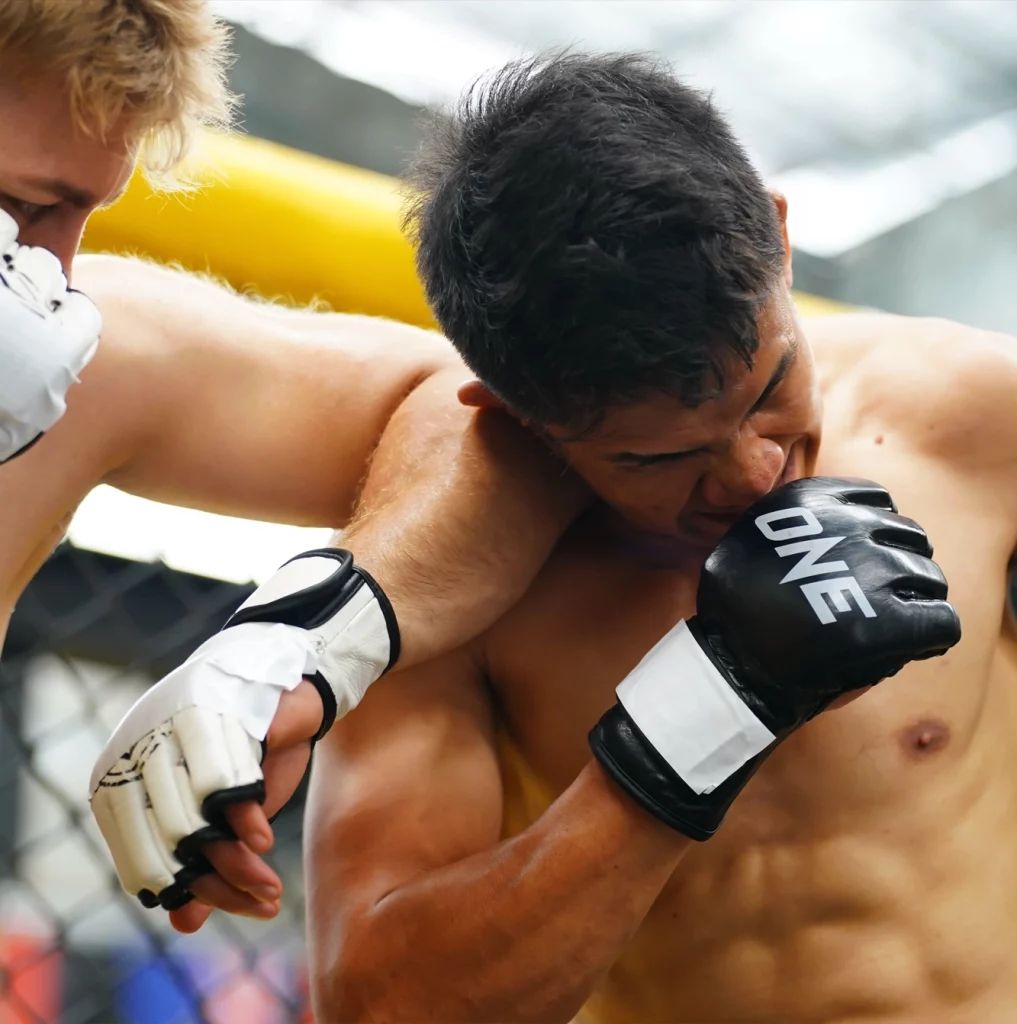
A concussion isn’t just a “bump on the head.” It’s a temporary — but real — disruption of how the brain works when it experiences a sudden jolt or blow. Think of the brain like a delicate, finely wired network: when it shakes or shifts inside the skull (for example during a collision, fall, or impact in sports), the normal electrical and chemical signals can get scrambled. That’s what causes a concussion.
Crucially, losing consciousness is not required for someone to have a concussion. Many people feel “fine” right after but later develop symptoms — sometimes days or even weeks later.
Because of this delayed onset, concussions are often “hidden injuries,” which means a timely medical evaluation is important, even if you don’t feel immediate symptoms.
Recognizing the Signs — What to Watch For
After a head injury — or anytime in the days following — watch carefully for:
- Feeling dazed, confused, or like in a “fog.”
- Headache — often persistent, worsening, or different from a typical headache.
- Memory problems: trouble recalling events immediately before or after the incident.
- Feeling dizzy or off-balance; lightheaded or unsteady when walking.
- Sensitivity to light or noise.
- Nausea or even vomiting.
- Sleep disturbances: sleeping more than usual, trouble sleeping, or waking up intermittently.
- Difficulty focusing, thinking clearly, or “slowed” cognitive processing.
⚠️ Emergency Warning Signs ⚠️
If you or someone else shows any of the following, seek immediate medical care:
- Inability to wake up or unusually hard to wake.
- Confusion, inability to recognize people or places.
- Repeated vomiting, seizures, slurred speech, or noticeable weakness/numbness in arms or legs.
- Severe or worsening headache, problems walking or balancing, or any sudden behavioral changes.
How OC Sports and Wellness Helps —
Personalized, Thoughtful Concussion Care
At OC Sports and Wellness, we understand that no two concussions are the same, and recovery depends on careful evaluation and a tailored plan. Here’s how we support you:
- Expert Diagnosis & Management — Under the care of Dr. Sunshine (MD), we provide professional concussion evaluation and ongoing management, ensuring no symptoms are dismissed and recovery is monitored closely.
- Personalized Treatment Plans — We don’t do one-size-fits-all. Instead, we work with you to create a plan that considers your unique symptoms, lifestyle, and recovery goals.
- Guidance on Recovery Behaviors — We help you understand how important brain rest is: limiting screen time, reducing intense concentration or cognitive overload, maintaining a healthy sleep routine — all essential for helping your brain heal.
- Careful Return-to-Activity Planning — When you start feeling better, we don’t just give a “green light” right away. Instead, we guide a gradual, stepwise return to sports, school, work, or other daily routines — to ensure you don’t risk re-injury and give your brain time to rebuild.
- Support Through Recovery — Some concussion effects aren’t just physical. Emotional, mental, and cognitive challenges — like difficulty focusing, memory issues, or mood changes — can all factor into recovery. We address the full scope of recovery: brain health, lifestyle, and function.
Why Early Evaluation & Ongoing Care Matter
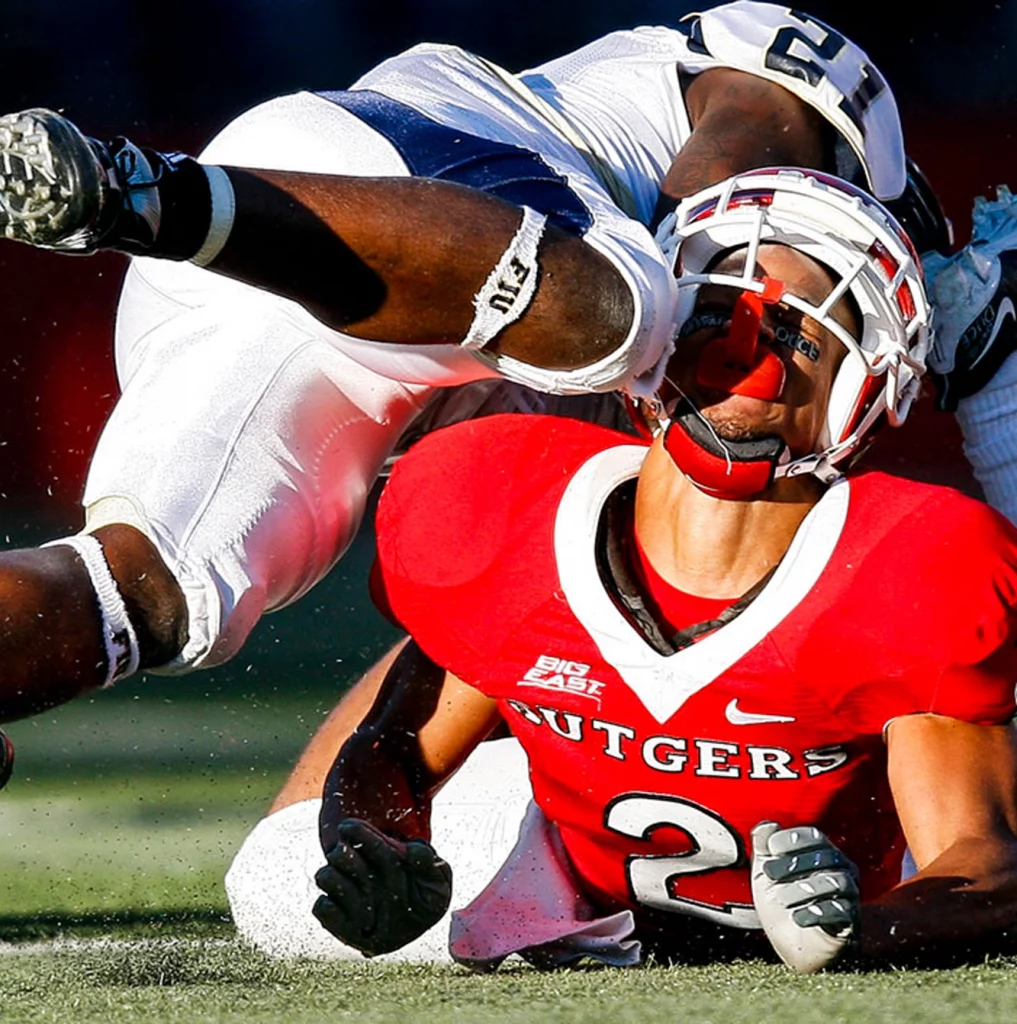
Because concussion symptoms can emerge slowly, or evolve over time (or after subsequent mild hits), early assessment and regular follow-up are key. Without proper care, what seems “fine” shortly after may later develop into prolonged symptoms.
Additionally — especially for active people, athletes, or children — a carefully supervised recovery and return-to-activity plan can mean the difference between complete recovery and lingering difficulties.
What to Do If You Suspect a Concussion
- Don’t wait — reach out for a consultation as soon as possible. Even if symptoms seem minor, early evaluation by a qualified concussion clinician like Dr. Sunshine can catch signs you might miss.
- Keep track of all your symptoms — physical, cognitive, emotional. Even what seems “small” or insignificant may matter.
- Follow your treatment and recovery plan carefully: rest (both physical and mental), limit screen time or cognitive load, maintain consistent sleep, and avoid rushing back into full activity.
- When cleared, return to activity slowly — under guidance — to reduce risk of re-injury.