
Hand & Wrist Pain
Orange County, California
Pain Relief, Repair & Prevention
Hand & Wrist Pain — What It Means and How We Help
Your hands and wrists are among the most complex, finely tuned parts of the body — packed with many small bones, tendons, ligaments, nerves, and joints that all must work together to let you grip, hold, type, throw, and do everything from delicate tasks to heavy lifting. Because of that complexity, there are many ways the hand or wrist can be injured or develop painful conditions. When things go wrong, pain, stiffness, weakness, or loss of sensation can make everyday activities — often taken for granted — difficult, frustrating, or even impossible.
At our practice, we aim to help you get back to your normal life as quickly as possible — whether that’s working, playing, practicing a sport, or simply doing your hobbies and daily tasks. We do that by using individualized care plans tailored to your injury or condition, your lifestyle, and your goals.

Common Hand & Wrist Conditions We Treat
Here are some of the most frequent causes of hand or wrist pain people come in for — and what they typically involve. Though each case varies, this overview can help you understand what might be going on.
Carpal Tunnel Syndrome (CTS)
- What is it: CTS happens when a nerve (the “median nerve”) running through a narrow “tunnel” in the wrist gets compressed or squeezed. That tunnel is rigid — formed by wrist bones and a firm ligament, so there’s little room for swelling.
- Symptoms: You might feel numbness or tingling (like “pins and needles”), especially in the thumb, index, middle, and part of the ring finger; weakness in the hand; trouble gripping or pinching; or even a sensation that travels up the forearm. Many notice symptoms are worse at night, or they wake them from sleep.
- Causes/risk factors: Repetitive hand/wrist motions (e.g., typing, writing, repetitive grip), wrist positions that bend or flex for long periods, swelling from inflammation, arthritis, prior wrist injuries/fractures — and sometimes anatomic or hereditary factors. Conditions such as diabetes or thyroid problems may also contribute.
Tendon & Overuse Injuries (e.g., De Quervain’s Tenosynovitis)
- What is it: Overuse of tendons — especially those around the thumb and wrist — can lead to irritation, inflammation, and pain. In the case of De Quervain’s Tenosynovitis, the tendons that help move the thumb become inflamed.
- Symptoms: Pain or tenderness on the thumb side of the wrist; difficulty with gripping, grasping, or making a fist; discomfort when pinching or lifting. The pain may worsen with activity and improve with rest.
Arthritis & Degenerative Joint Conditions
- What is it: As joints age (or with repeated stress), their cartilage — the smooth surface that cushions bones — can wear down, causing joint pain, stiffness, and reduced motion. This may affect small joints in the wrist or the base of the thumb (where the thumb connects to the wrist).
- Symptoms: Persistent joint pain, stiffness (especially after rest), pain with gripping or twisting motions, difficulty with everyday tasks like opening jars or turning doorknobs. Some forms — like base-of-thumb arthritis — can be exceptionally bothersome because the thumb is used in nearly every hand motion.
Acute Traumatic Injuries
- What is it: A sudden injury — for example a fall, a direct blow, or a forced twist — can cause sprains, fractures, ligament tears, or dislocations in the hand or wrist. Even after healing, injuries may leave lingering pain, reduced strength, or stiffness if not properly treated.
- Symptoms: Immediate pain, swelling, bruising; limited motion; possible deformity; pain when trying to use or bear weight on the hand/wrist; sometimes numbness or tingling if nerves are involved.
Nerve & Compression Problems Beyond CTS
- While CTS is very common, other nerve-related problems can occur. For example: overuse or compression of nerves higher up the arm, pressure from inflammation, or rare structural issues can cause symptoms such as weakness, numbness or “dropping things.”
What Happens When You See Us — Our Approach to Care
At our clinic, we believe in personalized, patient-focused care. Here’s how we typically address hand or wrist pain:
- Comprehensive Evaluation: We begin by taking your complete medical history — when the pain started, what activities you do, any prior injuries, and how symptoms affect your life. Then, a careful physical exam of your hand, wrist, and arm helps identify likely causes (joints, tendons, nerves, etc.). Imaging or nerve studies may be ordered if needed.
- Non-Surgical First: For many conditions — especially early or mild cases — we try conservative treatments first. That may include:
- Rest and avoiding aggravating activities.
- Splints or braces (especially wrist splints for conditions like CTS or tendonitis) to stabilize and reduce stress.
- Physical therapy or specific exercises (especially nerve/tendon gliding, strengthening, or mobility work) to restore function and reduce pressure or inflammation.
- Anti-inflammatory medications or steroid injections when appropriate, to reduce swelling and relieve pain.
- Surgical Options When Needed: If conservative care doesn’t relieve symptoms — for example persistent nerve compression, severe tendon damage, fractures that don’t heal properly — then surgical intervention may be considered carefully. Our goal is always to restore function while minimizing long-term impairment.
- Long-Term Rehabilitation and Prevention: After healing, we’ll guide you through rehab and, when relevant, advise on activity modifications, ergonomic adjustments (for work or sports), and preventative strategies. Because hand/wrist problems are often related to repetitive use or stress, this phase can be crucial to avoid re-injury or chronic issues.
Why Timely Care Matters
- Some hand and wrist conditions — especially nerve compression disorders like CTS — worsen over time if left untreated. What begins as mild tingling or occasional pain can progress to persistent numbness, muscle weakness, reduced grip strength, or even permanent loss of function.
- Early detection and appropriate treatment often mean the difference between a quick recovery and long-term disability. Conservative care is often much simpler and more effective when started early.
- Ignoring symptoms may lead to prolonged pain, reduced ability to work or play sports, and diminished quality of life.
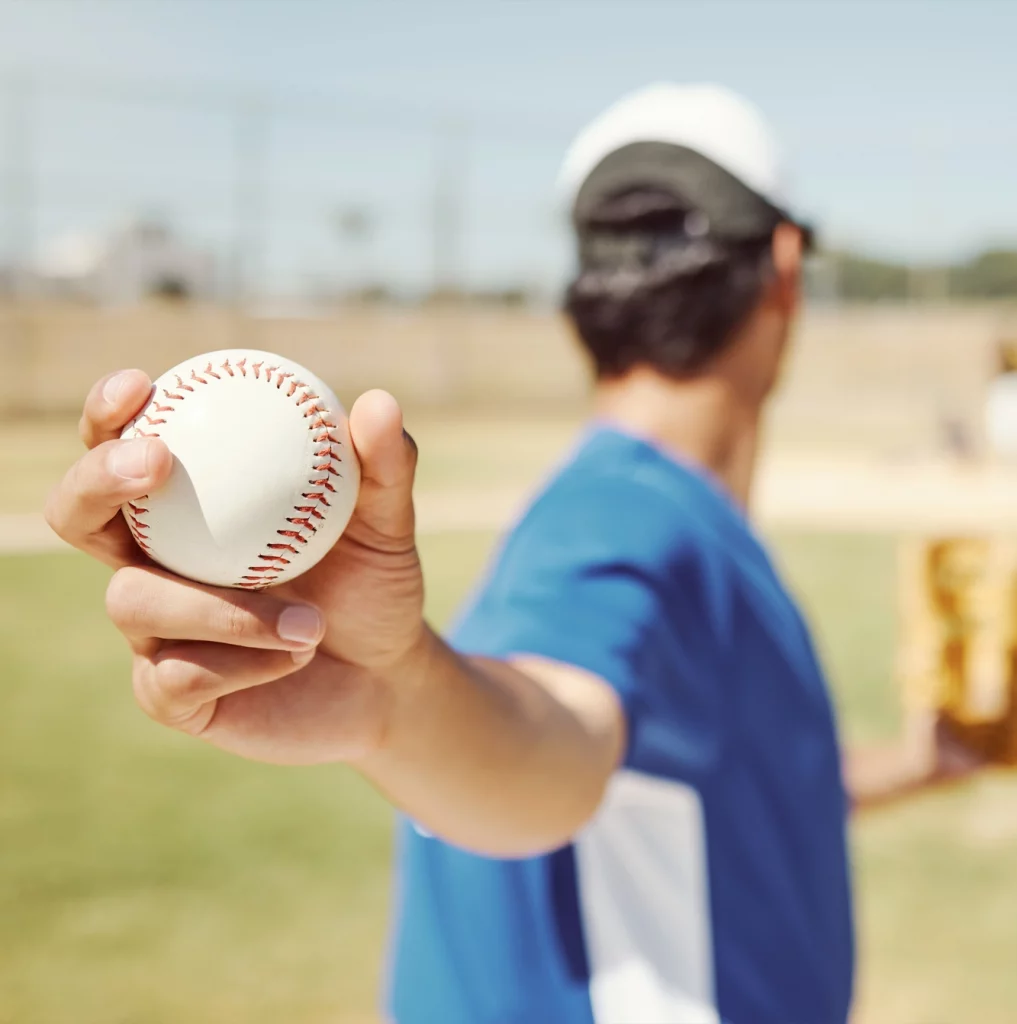
Who We Help
Whether you’re:
- An athlete recovering from an acute injury,
- Someone who uses their hands heavily — like typing, gripping, lifting, or repetitive motion —
- Dealing with chronic pain, stiffness, or weakness from arthritis or overuse,
- Noticing strange tingling, numbness, or hand-function loss with no obvious injury,
…we aim to build a treatment plan that meets your needs, lifestyle, and goals — whether that’s returning to competitive sports, regaining full use of your hands for work, or simply enjoying daily tasks without pain.
What to Do Next
If you’re experiencing persistent or worsening pain, numbness, swelling, stiffness, or weakness in your hand, wrist, or along your arm — or if a prior injury isn’t improving — consider scheduling a consultation. Early assessment improves the chances of a full recovery, often with non-surgical care.